
The Ford Ranger has become one of Australia’s most popular utes for a reason. It is capable, comfortable, and well-suited to both work and daily driving. But like any vehicle, especially a hard-working diesel, it is not without its faults.
At LeMans Motors, we see Ford Rangers in the workshop every week. From older PX1 models through to the latest Next Gen Rangers, there are a handful of common issues that come up time and time again.
If you own a Ranger or are thinking about buying one, here is what you need to know.
Ford Ranger Models Covered
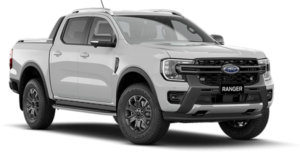
This guide covers the most common variants seen on Australian roads:
- PX1 Ranger (2011–2015)
- PX2 Ranger (2015–2018)
- PX3 Ranger (2018–2022)
- Next Gen Ranger (2022–Present)
While each generation has its differences, many of the underlying issues are shared across models, particularly with diesel engines and automatic transmissions.
1. EGR Valve and Intake System Issues
One of the most common problems across all Ranger models is related to the EGR system.
The EGR (Exhaust Gas Recirculation) system is designed to reduce emissions by recirculating exhaust gases back into the engine. Over time, this leads to carbon build-up in the intake system.
Symptoms you might notice:
- Loss of power
- Rough idling
- Increased fuel consumption
- Engine warning light
This issue is especially common in vehicles that do a lot of short trips or stop-start driving around Brisbane.
If left untreated, carbon build-up can restrict airflow and lead to more serious engine performance issues.
2. DPF (Diesel Particulate Filter) Problems
DPF issues are extremely common in PX2, PX3, and Next Gen Rangers.
The DPF is designed to trap soot and burn it off during highway driving. The problem is that many Rangers do not get driven in conditions that allow proper regeneration.
Common signs of DPF problems:
- DPF warning light
- Reduced engine performance
- Increased fuel consumption
- Vehicle going into limp mode
This is one of the biggest causes of Ranger owners coming into the workshop.
In many cases, the issue can be resolved with a proper regeneration or cleaning. In more severe cases, replacement may be required.
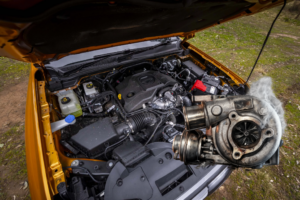
3. Turbocharger Failures
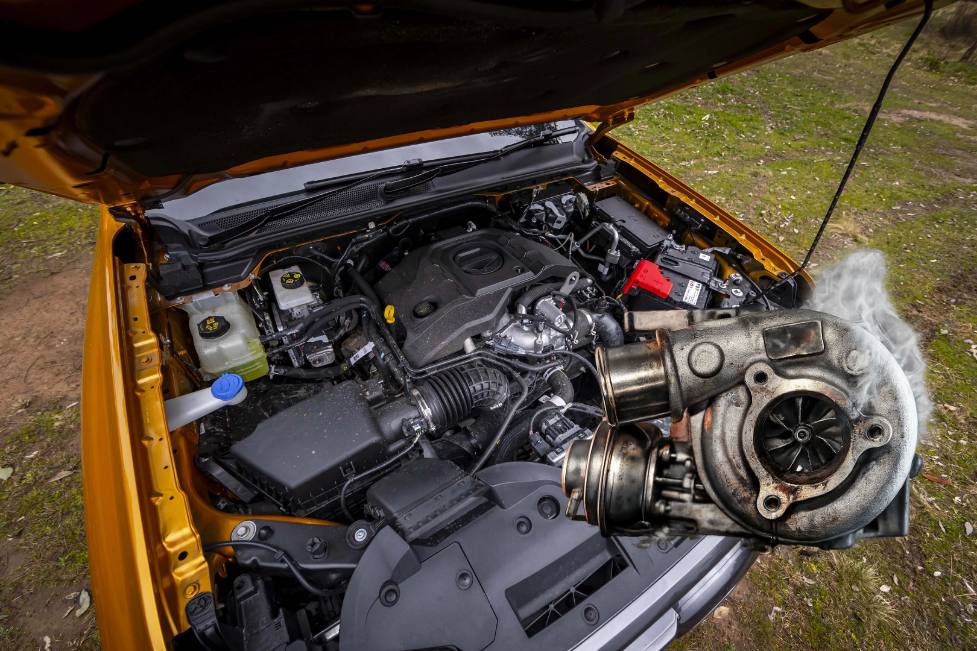
Turbo issues are another known problem, particularly on the 3.2L diesel engines.
The turbo works hard, especially in towing and load-carrying situations. Over time, components can wear or fail.
Symptoms of turbo problems:
- Whining noise under acceleration
- Loss of power
- Excessive smoke from exhaust
- Engine warning light
Turbo failures are often linked to poor maintenance, oil quality, or extended service intervals.
Regular servicing using the correct oil is critical to avoiding expensive repairs here.
4. Automatic Transmission Issues (Especially 10-Speed)
The newer Next Gen Rangers use a 10-speed automatic transmission, which has brought its own set of issues.
Even earlier models with 6-speed autos can develop problems over time.
Common transmission complaints:
- Harsh or delayed shifting
- Gear hunting
- Slipping between gears
- Shuddering under load
In many cases, these issues can be improved with a transmission service or software update. However, if left too long, they can turn into much more expensive repairs.
5. Cooling System Problems
Cooling system issues are something we regularly see across all Ranger models.
This can include:
- Radiator leaks
- Faulty thermostats
- Coolant hose failures
Signs to watch for:
- Engine running hotter than normal
- Coolant loss
- Overheating warnings
Overheating should never be ignored, especially in a diesel engine. What starts as a small leak can quickly lead to major engine damage if not addressed.
6. Injector and Fuel System Issues
Diesel injectors are precision components, and over time they can wear or become clogged.
This is more common in higher kilometre Rangers or vehicles that have not been regularly serviced.
Symptoms include:
- Hard starting
- Rough running
- Excessive smoke
- Poor fuel economy
Fuel system issues can escalate quickly, so early diagnosis is key.
7. AdBlue System Faults (Next Gen Ranger)
The latest Next Gen Rangers introduced AdBlue systems to meet emissions standards.
While effective, they have also introduced new failure points.
Common issues:
- AdBlue warning messages
- No-start countdown warnings
- Sensor faults
These systems can be sensitive and often require proper diagnostic equipment to resolve correctly.
8. Suspension Wear and Steering Components
Given how many Rangers are used for work, towing, or off-road driving, suspension wear is very common.
Components that wear out:
- Control arm bushes
- Ball joints
- Shock absorbers
- Tie rod ends
Symptoms:
- Clunking noises
- Uneven tyre wear
- Poor handling
These are often gradual issues that owners get used to, but they can significantly affect safety and tyre life.
Are Ford Rangers Reliable?
Overall, the Ford Ranger is a reliable and capable vehicle when properly maintained.
Most of the issues listed above are not unique to the Ranger. They are common across modern diesel vehicles, particularly those used in city driving conditions.
The key difference is how early problems are identified and addressed.
Regular servicing and proactive maintenance make a huge difference in long-term reliability.
When Should You Get Your Ranger Checked?
If you notice any of the following, it is worth getting your Ranger inspected:
- Warning lights on the dash
- Loss of power
- Strange noises
- Increased fuel consumption
- Smoke from the exhaust
Catching issues early can often save thousands in repairs.
Ford Ranger Repairs and Servicing in Brisbane
At LeMans Motors, we work on Ford Rangers across all generations, from PX1 through to the latest Next Gen models.
We understand the common faults, know what to look for, and can diagnose issues quickly and accurately.
Whether it is a DPF issue, transmission concern, or general servicing, our team can help keep your Ranger running properly.
If your Ranger is not driving the way it should, it is always better to get it checked sooner rather than later.
Final Thoughts
The Ford Ranger is one of the best all-round utes on the market, but it is not immune to problems.
Understanding the common issues puts you in a much better position as an owner. It allows you to act early, avoid major repairs, and keep your vehicle reliable for years to come.
If you are unsure about anything with your Ranger, getting a professional opinion is always the safest move.